

Key Takeaways
Noise pollution from Battery Energy Storage Systems (BESS) primarily stems from various equipment, including transformers, cooling systems, and rotary machinery. Transformers can produce noise levels that may exceed 80 decibels during operation.
Factors in the environment, such as the presence of nearby buildings and specific weather conditions, have the potential to intensify noise levels within BESS surroundings. Studies indicate that noise in urban areas can be amplified by as much as 20%.
Excessive noise levels pose serious threats to worker safety, diminishing productivity and heightening the risk of hearing impairment. This reality highlights the importance of consistent noise assessments and effective monitoring systems.
Noise control technologies—like acoustic barriers and advanced materials—can effectively lower noise levels in BESS, promoting a better environment and improving overall worker comfort.
Successful projects focused on noise mitigation within BESS have recorded considerable reductions in noise, showcasing how effective noise control technologies can foster better community relations and operational success.
Moreover, evaluating the cost-effectiveness of various noise mitigation strategies is crucial, as it requires balancing upfront investments with long-term savings gained from fewer worker compensation claims and increased productivity.
Looking ahead, trends in BESS noise control are likely to embrace machine learning for the dynamic optimization of noise reduction, alongside evolving regulatory standards. These developments necessitate proactive engagement with stakeholders and diligent compliance monitoring.
Identifying Key Sources of Noise in BESS Environments
Pinpointing Equipment Contributions to Noise Pollution
Every piece of equipment within Battery Energy Storage Systems (BESS) plays a pivotal role in determining overall noise levels. From expansive battery racks to cooling systems, each component can contribute to noise pollution. For example, significant sound emissions commonly arise from rotary machinery, power converters, and transformers.
Transformers, specifically, can emit noise levels hitting 80 decibels—comparable to a diesel truck idling. Identifying the louder equipment is essential, as it allows for targeted noise control measures.
- Batteries: Noise levels can differ based on size and type.
- Cooling systems: Often produce considerable noise due to fans and compressors.
- Transformers: Well-known for their high-frequency hums that can be heard over long distances.
The Role of Environmental Factors in Amplifying Sound
Sound propagation and amplification are greatly influenced by environmental conditions in a BESS context. The site’s surroundings can either contain or amplify noise. Nearby structures can reflect sound waves, thus increasing the perceived noise levels for local communities.
Weather conditions, like wind, can also impact sound travel. Strong winds may carry sound over greater distances compared to calm conditions. Recognizing these factors can significantly inform noise mitigation strategies, ensuring they are environmentally attuned.
Research indicates that noise amplification in urban environments can reach up to 20% when compared to quieter rural areas.
Analyzing Worker Safety Concerns Linked to Noise Levels
No one can disregard the effect of noise on worker safety. Elevated noise levels often lead to lower productivity and a higher potential for accidents. Furthermore, ongoing exposure to increased sound can result in hearing loss, a critical issue in BESS environments.
In addition to that, noise contributes to heightened stress levels within the workplace. With increased stress, fatigue sets in, and the ability to maintain focus on tasks diminishes. Thus, regular noise level assessments and safety risk evaluations should be standard protocol. Here’s a glimpse of common safety measures:
- Noise monitoring systems: Crucial for real-time feedback on sound levels.
- Sensitive hearing protection: Necessary for scenarios involving prolonged exposure.
- Worker training: Essential for raising awareness regarding noise effects.
Innovative Noise Control Technologies for BESS
Exploring Acoustic Barriers: What Works Best?
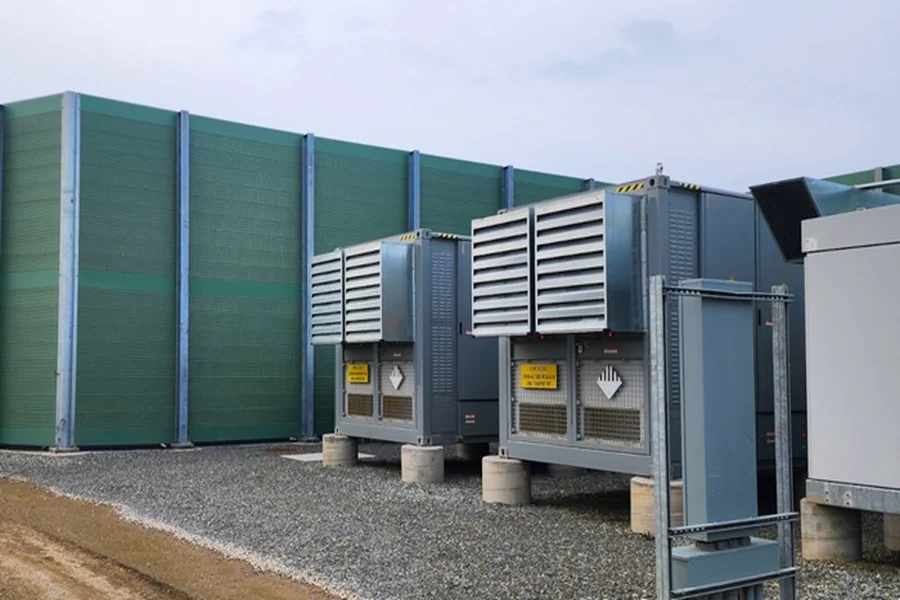
Effectively using acoustic barriers can lead to significant noise level reductions. Acoustic barriers inhibit sound waves from reaching vulnerable areas. These structures can range from basic noise fences to sophisticated designs aimed at specific frequency bands.
Material selection plays a role in the performance of these barriers. For instance, absorptive materials tend to reduce sound reflection, while reflective surfaces deflect sound waves. Various factors often influence prospective users’ decisions:
- Height: Taller barriers usually yield better performance.
- Material density: Heavier materials often prove more effective.
- Surface texture: Smooth surfaces might not absorb sound effectively.
Active vs. Passive Noise Control Techniques: A Comparison
Noise control techniques can generally be divided into two categories: active and passive. Passive solutions are permanent, while active solutions adapt to changes in noise levels. Passive techniques might encompass sound-absorbing materials, whereas active methods employ technology aimed at cancelling out sound waves.
On the reliability front, passive noise control typically shines, thanks to fewer moving parts and reduced chances of failure. Yet, it’s worth noting that active systems, if designed well, can adjust dynamically to fluctuating noise conditions. Below is a comparison of these techniques:
- Passive Techniques: Usually more cost-effective, requiring less maintenance.
- Active Techniques: Can offer customized noise solutions but might incur higher expenditures.
New Materials and Designs Driving Sound Reduction
Materials science has made substantial progress in enhancing the effectiveness of sound reduction strategies. Innovations like viscoelastic materials and nanotechnology are transforming noise management practices. These newer materials can absorb sound and dampen vibrations much more efficiently than traditional options.
Take foam damping materials, for example, when applied in BESS installations. Utilizing such materials contributes to quieter operations, resulting in reduced exposure to noise for both the environment and workers. Critical characteristics to keep in mind include:
- Weight and flexibility: Lightweight options can simplify implementation.
- Temperature resilience: Vital for enduring operational environments.
- Sound absorption coefficients: Higher values signify improved sound absorption rates.
Real-World Applications and Case Studies in Noise Mitigation
Success Stories: Organizations Leading the Charge
Several forward-thinking organizations are at the forefront of adopting cutting-edge noise control technologies. For example, a significant energy provider successfully integrated an innovative acoustic design in their BESS, resulting in over 40% noise reduction. This achievement was made possible through careful material selection and the application of active noise cancellation technology.
Such success stories serve as a benchmark for others in the industry. BESS projects that utilize these technologies illustrate that effective bess noise control and mitigation solutions can produce real, impactful results.
A recent project in California noted a dramatic decrease in community complaints, a clear testament to the advantages brought by effective noise control measures.
Analyzing Cost-Effectiveness of Noise Solutions in BESS Projects
Implementing effective noise solutions goes beyond just sound reduction; they must also make financial sense. Cost-related factors frequently drive decision-making in BESS projects. Evaluating when and where to allocate resources towards comprehensive noise-mitigation strategies can enhance returns.
Moreover, long-term savings can stem from decreases in worker compensation claims linked to noise-related issues. Organizations might also notice a drop in operational expenses as solutions help mitigate downtime associated with equipment failure, often aggravated by noise-induced stress.
- Initial investment vs. long-term savings: Striking a balance between upfront costs and future advantages.
- Potential regulatory benefits from compliance: Avoiding fines and fostering better community relations.
- Increased productivity and worker satisfaction: A quiet environment aids focus and efficiency.
Lessons Learned: Key Takeaways from Implementation
Every BESS noise mitigation project that finds success reveals valuable lessons. A prominent theme calls attention to stakeholder engagement. By involving the surrounding community from the start, projects often see enhanced satisfaction and acceptance. Addressing community concerns can guide effective design choices.
Moreover, consistent monitoring of noise levels remains crucial. What might seem effective at deployment may shift under different operational circumstances. Temporary setbacks should be viewed not as failures but as opportunities for improvement. Key takeaways include:
- Prioritize community involvement: Integral for smoother future operations.
- Ongoing feedback loops: Essential for ongoing progress.
- Embrace change: Adapting to solutions is key.
The Future of Noise Control in Energy Storage Systems
Emerging Trends Shaping Sound Management Practices
The prospects for noise management in BESS appear increasingly bright. As technology advances, new avenues for effective sound reductions emerge. Innovations in noise control are expected to evolve continually, spurred by a strong commitment to both environmental and worker welfare.
Additionally, there’s growing interest in machine learning algorithms designed to optimize active noise control dynamically. These systems may assess sound profiles in real time and make adjustments for maximum efficacy. Such a proactive strategy could bring about significant improvements in site noise levels.
Policy and Regulatory Changes Influencing Noise Standards
Regulatory bodies are progressively imposing stricter noise standards for energy projects. These initiatives require organizations to invest in noise control solutions, often spurring industry innovation. Staying aware of these changes is vital for project managers working in BESS environments.
Building proactive partnerships with regulatory authorities can streamline compliance and encourage collaboration. Organizations that remain proactive regarding policy shifts can secure a competitive advantage—an essential factor in today’s fast-paced market.
- Monitoring changes in guidelines: Maintain awareness of local and national policies.
- Engaging with stakeholders: Ensure inclusivity in discussions.
- Investing in flexible solutions: Equip for future regulatory challenges.
Long-Term Impacts of Noise Mitigation on Community Relations
Finally, the enduring effects of effective noise mitigation strategies can deeply influence relationships within the community. BESS projects that emphasize reducing noise cultivate goodwill among nearby residents. This not only enhances public perception but also facilitates smoother operational expansions in the future.
A thoughtfully managed noise strategy reflects a company’s commitment to responsible practices and can enhance collaboration with local communities. When communities see that their concerns are acknowledged, such recognition can substantially benefit overall project success.
Strong community relationships help eliminate misunderstandings, paving the way for future advancements in energy storage systems.
FAQ
What specific technologies are used for active noise control?
Active noise control technologies generally incorporate adaptive filters and sound wave cancelling devices. These systems produce sound waves aimed at counteracting unwanted noise, resulting in a quieter environment, particularly effective in dynamic operational settings.
How often should noise assessments be conducted in BESS environments?
Incorporating regular noise assessments as part of routine monitoring is recommended. Evaluations should ideally take place bi-annually or whenever significant operational or equipment changes occur, ensuring compliance and worker safety.
What role do workers play in noise mitigation efforts?
Workers are crucial when it comes to identifying noise sources and relaying concerns. By providing adequate training, awareness regarding the effects of noise can be heightened, encouraging active participation in noise control measures.
Are there any grants or funding opportunities for noise mitigation projects?
Indeed, various government programs and environmental agencies offer grants aimed at projects focused on noise reduction and mitigating environmental impacts. Organizations should investigate funding options at local, state, and federal levels to support their initiatives.
How can organizations ensure compliance with evolving noise regulations?
Keeping abreast of industry standards through active engagement with regulatory bodies is paramount. Regular training and updates for project managers help ensure compliance and cultivate a proactive mindset towards any regulatory shifts.
Can noise reduction techniques improve the lifespan of BESS equipment?
Absolutely. Implementing effective noise reduction not only alleviates mechanical stress on equipment but is also directly related to extending its lifespan. Reduced sound levels further diminish vibration-related wear, ultimately prolonging machinery operational life.
What is the potential impact of noise mitigation on productivity and efficiency?
Noise mitigation strategies can lead to notable enhancements in productivity. Research has suggested that reduced stress and improved focus among workers are likely, contributing to greater job satisfaction and overall operational efficiency.
Are there examples of BESS successfully implementing innovative noise control methods?
Indeed, numerous organizations have highlighted successful stories through the application of innovative noise control solutions. Projects worldwide have documented significant noise reductions, resulting in improved community relations and operational achievements.
