

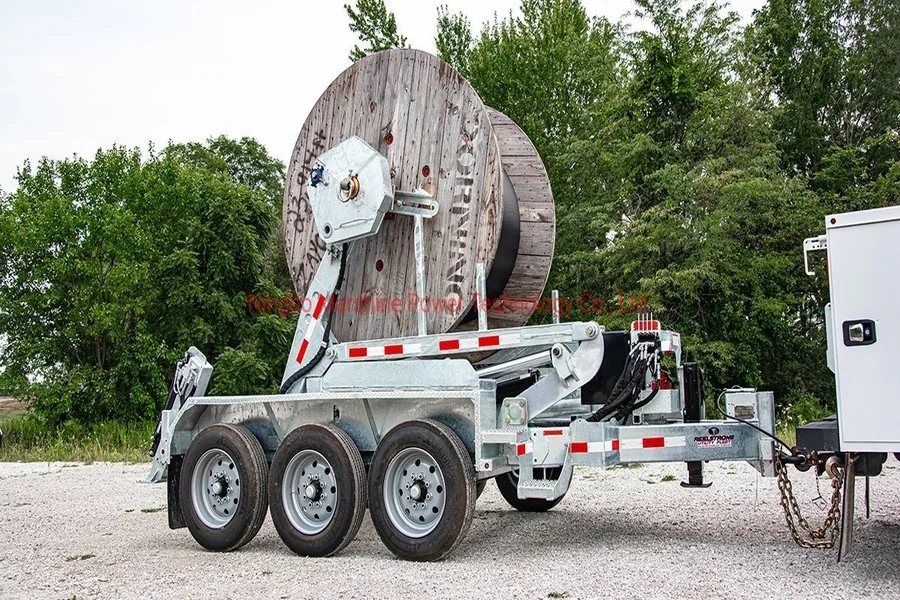
Managing heavy cable reels efficiently is a constant challenge across industries like utilities, telecommunications, construction, and events production. Poor handling can slow projects, damage expensive cable, and increase safety risks. This is where the cable reel trailer winder becomes an essential piece of equipment. Designed to transport, unwind, and rewind large cable reels with precision, it brings structure, safety, and speed to cable-intensive operations.
Understanding the Cable Reel Trailer: The Foundation of Efficient Cable Handling
At its core, a cable reel trailer is a purpose-built platform that supports heavy cable spools while allowing controlled movement of cable on and off the reel. When paired with a winder system, it becomes far more than a transport tool. It turns into a mobile cable management solution.
The Anatomy of a Cable Reel Trailer
A standard cable reel trailer is built around a reinforced steel or aluminum frame designed to handle extreme loads. The frame supports an axle system engineered for stability, even when hauling unevenly distributed weight. The reel itself sits in a cradle or spindle system that secures it during transport and operation.
Most trailers also include adjustable mounts to accommodate different reel diameters and widths. This flexibility is important because cable reels vary widely depending on material, length, and application. Heavy-duty tires, braking systems, and safety chains complete the setup, ensuring the trailer can operate safely on job sites and public roads.
When a winder mechanism is added, the trailer gains powered or manual controls that rotate the reel. This allows operators to wind or unwind cable smoothly, reducing strain and minimizing the risk of tangles or damage.
How a Cable Reel Trailer Winder Improves Efficiency
Manual cable handling is slow and physically demanding. A cable reel trailer winder eliminates much of that effort. By controlling tension and rotation, it allows cable to be deployed evenly and retrieved cleanly. This not only speeds up installation and removal but also protects the cable’s integrity.
In industries where downtime is costly, the ability to load, transport, and manage cable in one system makes a noticeable difference. Crews spend less time wrestling with equipment and more time completing the job.
Types of Cable Reel Trailers and Winders
Not all cable reel trailers are the same. Choosing the right configuration depends on workload, environment, and cable size.
Single-Axle vs. Dual-Axle Trailers
Single-axle trailers are lighter and easier to maneuver. They work well for smaller reels and confined job sites where tight turns are common. For contractors handling lighter cable or short-distance transport, these trailers offer a practical solution.
Dual-axle trailers provide greater stability and higher load capacity. They are better suited for large industrial reels and long-distance hauling. The added axle distributes weight more evenly, reducing stress on the frame and improving safety.
Manual vs. Powered Winders
Manual winders rely on hand cranks or mechanical gearing. They are simple, cost-effective, and reliable for lighter cable loads. For occasional use or smaller operations, manual systems often make sense.
Powered winders use hydraulic or electric motors to rotate the reel. These systems handle heavier cables with ease and offer precise control over speed and tension. On large job sites or in utility work where reels can weigh thousands of pounds, powered winders are often essential.
Industry-Specific Trailer Designs
Some trailers are built for very specific applications. Utility trailers may include hydraulic lifts, reel handling arms, or integrated braking systems designed for roadside work. Event and entertainment industries often use compact trailers that prioritize portability and quick setup.
Custom-built trailers are also common. These allow companies to specify reel sizes, weight limits, and accessory features that match their exact workflow.
Key Features to Look for in a Quality Cable Reel Trailer Winder
Investing in the right equipment upfront can prevent costly problems later.
Build Quality and Materials
Durability matters. High-strength steel frames offer maximum load capacity, while aluminum frames reduce weight and resist corrosion. The choice depends on how often the trailer will be used and in what environments.
Look for reinforced welds, quality fasteners, and protective coatings. These details affect how well the trailer holds up over time.
Load Capacity and Adjustability
A trailer should comfortably exceed the maximum weight of your typical cable reels. Adjustable reel mounts and spindles increase versatility, allowing one trailer to handle multiple reel sizes.
Overloading a trailer reduces lifespan and creates safety hazards. Proper capacity planning is critical.
Ease of Operation
A well-designed cable reel trailer winder should be easy to use. Smooth controls, intuitive layouts, and clear safety features reduce training time and operator fatigue. Powered systems should allow controlled starts and stops to prevent cable backlash.
Safety Systems
Effective braking systems, wheel chocks, reflectors, and secure tie-down points are non-negotiable. When dealing with heavy reels, small oversights can lead to serious accidents.
Technology and Innovation in Cable Reel Trailers
Modern cable management equipment continues to evolve.
Smart Trailers and IoT Integration
Some advanced cable reel trailer winders now include sensors that monitor reel rotation, cable tension, and trailer location. These systems help operators detect issues early, such as uneven winding or excessive strain.
For fleet managers, real-time tracking improves logistics and maintenance planning. Predictive alerts can reduce downtime and extend equipment life.
Automation in Cable Winding
Automation is reshaping cable handling. Automated winders reduce manual input, improve consistency, and lower injury risk. These systems are especially valuable when dealing with long cable runs or frequent rewinding.
Consistency also improves cable lifespan. Even winding reduces internal stress and prevents kinks that can lead to premature failure.
Sustainability and Eco-Friendly Designs
Manufacturers are also focusing on sustainability. Lightweight materials reduce fuel consumption during transport. Some trailers incorporate energy-efficient hydraulic systems or recyclable components.
For companies with environmental goals, these features support both operational efficiency and corporate responsibility.
Best Practices for Using a Cable Reel Trailer Winder
Even the best equipment requires proper use to deliver maximum value.
Routine Maintenance for Longevity
Regular inspections are essential. Check tires, bearings, brakes, and hydraulic systems before and after use. Lubricate moving parts according to manufacturer recommendations.
Cleaning the trailer after exposure to mud, salt, or chemicals prevents corrosion and extends service life.
Efficient Cable Handling Techniques
Training matters. Operators should understand how to balance loads, control winding speed, and secure reels properly. Designated loading zones and clear communication reduce on-site risks.
Managing cable tension during winding helps prevent damage and ensures smoother deployment later.
Prioritizing Safety on Every Job
Personal protective equipment such as gloves and steel-toed boots should be standard. Trailers must be properly hitched, and loads secured before transport.
Clear signage and controlled work areas further reduce the risk of accidents.
Cost Considerations and Return on Investment
Purchasing a cable reel trailer winder is a significant decision, but one that often pays for itself.
Understanding Purchase Costs
Initial costs vary based on size, capacity, and features. Powered winders and custom trailers command higher prices but offer greater efficiency.
Maintenance, insurance, and potential repairs should be factored into long-term budgeting.
How a Cable Reel Trailer Winder Saves Money
Reduced labor costs are one of the biggest benefits. Faster setup and teardown mean crews can complete more work in less time. Improved cable handling also reduces waste and replacement costs.
Over time, these savings often outweigh the initial investment.
Financing and Acquisition Options
Many suppliers offer financing, leasing, or lease-to-own programs. These options make it easier to acquire high-quality equipment without straining cash flow.
Choosing the right financing structure allows businesses to benefit from improved efficiency immediately while spreading costs over time.
Final Thoughts
Efficient cable management is not just about convenience. It affects safety, productivity, and profitability. A well-chosen cable reel trailer winder brings structure and control to a task that is otherwise labor-intensive and risky.
By understanding trailer types, key features, emerging technologies, and best practices, businesses can make informed decisions that support long-term success. In industries where cables are the backbone of operations, investing in the right equipment is not optional. It is a competitive advantage.
